
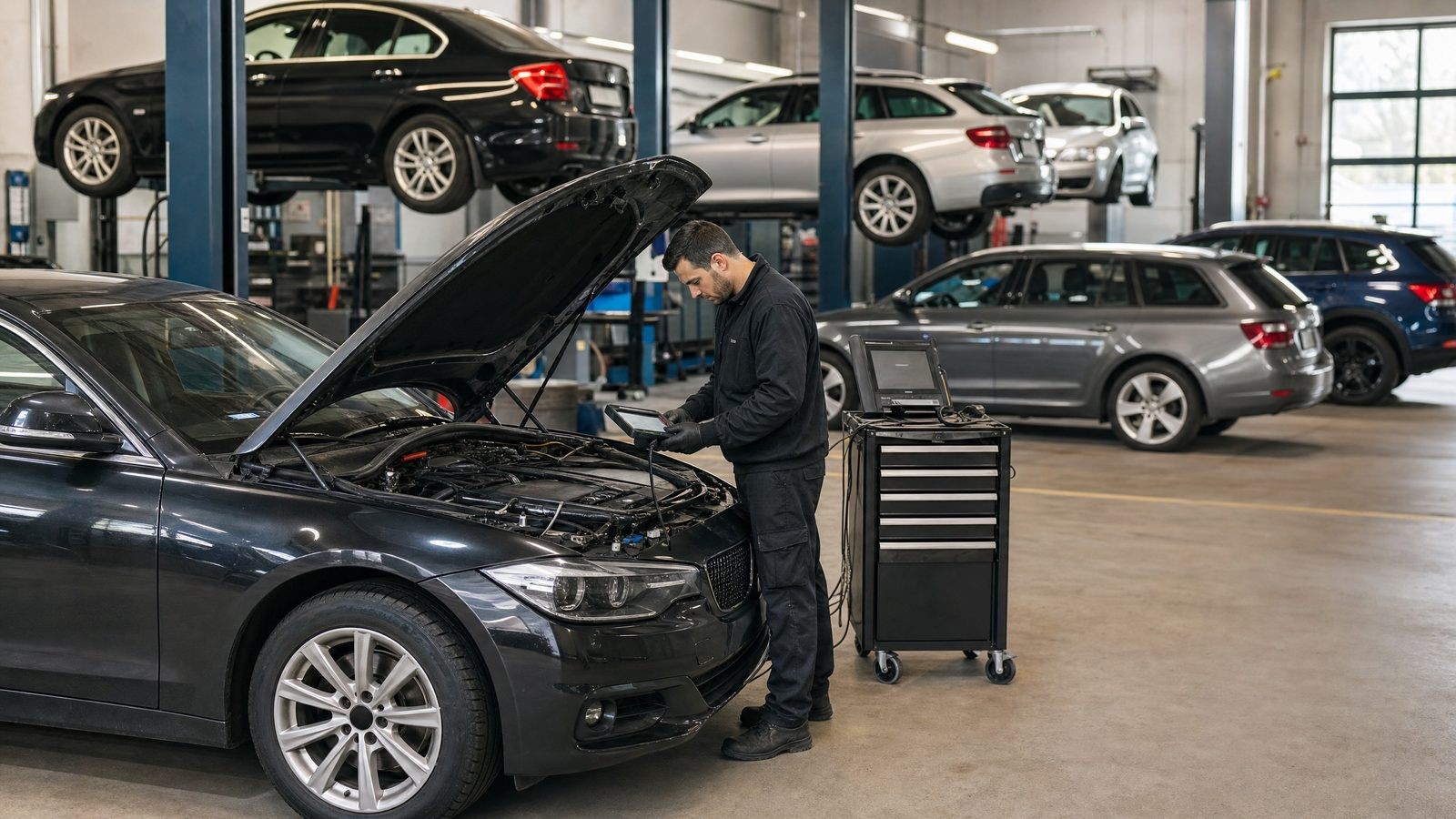
German vehicles are known for exceptional engineering, advanced technology, and outstanding driving performance. Brands like BMW, Mercedes-Benz, Audi, and Volkswagen are built to deliver a unique driving experience through precision design and innovative systems.
While these vehicles offer many advantages, they also require specialized maintenance to ensure long-term reliability. The same engineering that makes German cars enjoyable to drive can make them more complex to service than many domestic or standard import vehicles.
What Makes German Vehicles Different?
German manufacturers focus heavily on performance, efficiency, and engineering precision. Many models feature turbocharged engines, advanced transmissions, sophisticated suspension systems, and integrated electronic controls.
These technologies provide excellent performance but require technicians with specialized training and diagnostic equipment.
Precision Engineering Requires Precision Service
Advanced Electronics
Modern German vehicles rely on multiple control modules and sensors to manage everything from engine performance to safety features. Accurate diagnostics are critical when warning lights or system faults occur.
Specialized Components
German vehicles often use manufacturer-specific parts designed to meet strict performance standards. Installing incorrect components can affect reliability and vehicle performance.
Manufacturer-Specific Procedures
Many maintenance and repair procedures require specialized tools and software. Following factory recommendations helps ensure repairs are performed correctly.
The Importance of Using Correct Fluids
German vehicles typically require specific oil, coolant, brake fluid, and transmission fluid formulations. Using incorrect fluids may cause:
- Reduced engine performance
- Increased wear
- Cooling system issues
- Transmission problems
- Premature component failure
Common Maintenance Needs for German Vehicles
Oil Changes
Routine oil changes using manufacturer-approved synthetic oil help protect the engine and maintain performance.
Brake Service
Regular brake inspections help identify worn pads, rotor issues, and hydraulic system concerns before they become safety risks.
Cooling System Maintenance
Cooling system inspections help prevent overheating and expensive engine damage.
Transmission Service
Scheduled transmission maintenance can improve shifting performance and extend component life.
Why Generic Maintenance Can Cause Problems
Technicians unfamiliar with German vehicles may overlook important service procedures or specifications. Improper maintenance can lead to warning lights, reduced performance, and costly repairs.
Benefits of Working With a German Auto Specialist
Choosing a repair shop experienced with German vehicles provides:
- Accurate diagnostics
- Proper repair procedures
- Specialized equipment
- Improved reliability
- Long-term cost savings
Why Choose Done Right Automotive?
Done Right Automotive provides professional maintenance, diagnostics, and repair services for BMW, Mercedes-Benz, Audi, Volkswagen, and other European vehicles. Our team understands the unique requirements of German engineering and is committed to helping customers protect their investment.
Conclusion
German vehicles offer outstanding performance and comfort, but they require specialized maintenance to stay reliable. Following recommended service schedules and working with experienced technicians can help maximize vehicle life and performance.
Need German auto repair near Richmond Heights, OH? Schedule service with Done Right Automotive for accurate diagnostics and dependable maintenance.
