
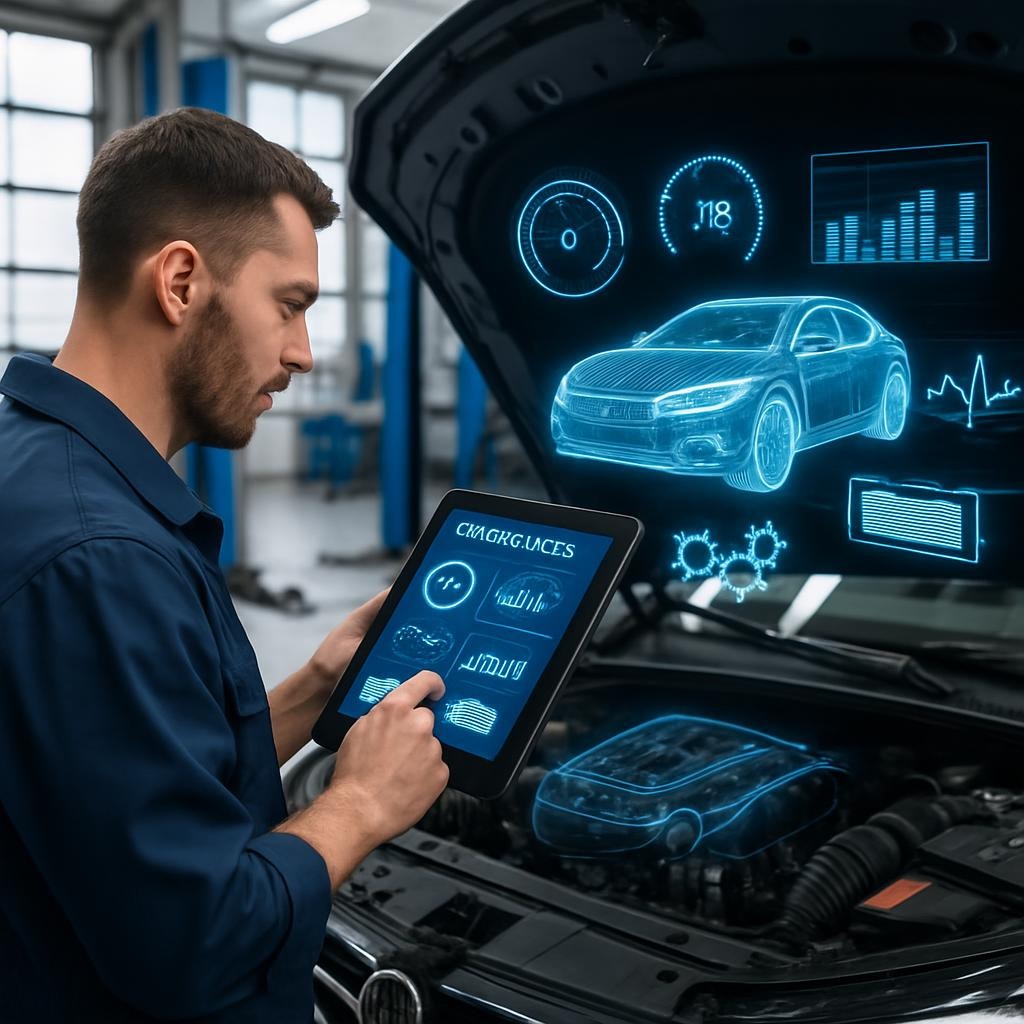
Key Highlights
- Automotive diagnostics now rely on artificial intelligence to find problems faster in modern vehicles.
- Predictive maintenance helps spot potential issues before they turn into expensive, major repairs.
- Remote diagnostics technology allows repair shops to check your car’s health from a distance.
- Advanced scan tools and sensors give mechanics a precise, detailed view of all your vehicle’s data.
- Technicians require new skills and continuous training to work with the complex systems in today’s cars.
- AI is not just for diagnostics; it’s also making repair shops more efficient and improving customer service.
Introduction
The auto repair industry is changing at a rapid pace. Cars are more complex than ever, filled with innovative technology and millions of lines of code. Because of these technological advancements, the way we fix them has to change, too. Old methods don’t work on today’s high-tech vehicles. This shift affects everything from tools to training. Understanding these new trends in automotive diagnostics is key for any car owner, as it helps you know what to expect.
How Automotive Diagnostics Have Changed Over Time
Auto repair used to be all about listening to the engine and using hand tools. Mechanics relied on their experience to figure out what was wrong with a car. But as vehicle technology became more advanced, the tools had to evolve to keep up. The automotive industry has shifted from wrenches and guesswork to computers and data.
Now, powerful diagnostic tools are essential for any repair. They connect to your vehicle’s computer to read codes and analyse historical data. Looking ahead to 2025 and beyond, technology trends like artificial intelligence and connected cars will continue to shape how we maintain our vehicles.
From Hand Tools to Code Readers
Not too long ago, a mechanic’s toolbox was mainly filled with hand tools like wrenches, sockets, and screwdrivers. Finding a problem meant physically inspecting parts, listening for strange noises, and relying on intuition. It was a hands-on process that often involved a lot of time and guesswork.
Then came the On-Board Diagnostics (OBD-II) system in the mid-1990s. This was a significant turning point for the industry. Suddenly, cars had a way of telling us what was wrong with them. Mechanics started using code readers, a new kind of diagnostic tool, to access this valuable information by plugging directly into the car.
This newfound access to vehicle data made diagnostics much faster and more accurate. Instead of just guessing, technicians could use error codes and historical maintenance records to narrow down the issue quickly. This was the first big step toward the high-tech, data-driven diagnostics we rely on today.
Rise of Computer-Controlled Vehicle Systems
Think of a modern car as a computer on wheels. It’s packed with dozens of computer-controlled systems that manage everything from your engine and brakes to your air conditioning and radio. This advanced vehicle technology makes cars safer and more efficient than ever before.
This complexity has completely changed the world of auto repair. You can’t fix most problems in a new car with just a wrench anymore. Technicians now need to be experts in electronics and software to understand how these systems work together. The job has shifted from purely mechanical work to electronic troubleshooting.
And this trend is only going to continue. Future vehicles, primarily electric and hybrid models, will feature even more computer-controlled systems. This means repair shops must invest in the right tools and training to maintain operational efficiency and properly service these cars.
The Latest Diagnostic Technologies in Auto Repair
The auto repair industry is buzzing with new and exciting technology. Advanced diagnostic tools are making it easier than ever to perform accurate vehicle maintenance and keep cars running smoothly. These tools go far beyond simple code readers, offering deep insights into a vehicle’s health and representing a giant leap forward for the entire automotive industry.
As cars get smarter, so does the equipment used to fix them. From wireless scanners to AI-powered platforms, new auto shop equipment is constantly emerging. Let’s look at some of the most essential tools changing the game for mechanics.
Advanced Scan Tools and Sensors
Today’s advanced scan tools are potent. They connect directly to your car’s computer and provide a wealth of diagnostic data from the many sensors throughout the vehicle. These tools allow technicians to see how different systems are working in real time, helping them monitor overall vehicle performance.
This detailed information helps streamline the diagnostic process. Instead of spending hours troubleshooting, a mechanic can quickly identify the source of a problem. These tools don’t just read error codes; they help interpret the data, making it easier to find and fix the issue with precision.
This technology is a core part of modern auto repair. Here’s a quick look at what these tools can do:
| Feature | How It Helps Mechanics |
| Live Data Streaming | See real-time sensor data to spot irregularities. |
| Multi-System Scans | Check all vehicle systems (engine, brakes, etc.) at once. |
| Code Interpretation | Provides more than a code, suggesting possible causes. |
| Data Graphing | Visually tracks vehicle performance to find intermittent issues. |
Wireless and Bluetooth-Enabled Devices
The days of being tethered to a car with a long, clumsy cable are fading away. Wireless and Bluetooth-enabled devices are making diagnostics more flexible and efficient than ever. Mechanics can now use tablets or smartphones to connect to a vehicle’s computer system from anywhere in the shop.
This technology enables wireless diagnostics, giving technicians access to real-time information without being stuck in the driver’s seat. They can walk around the vehicle while monitoring its systems, making inspections much easier. It’s a simple change, but it has a significant impact on a mechanic’s daily workflow.
These more innovative diagnostic tools help technicians work faster and more effectively. They can pull up vehicle data, look at repair manuals, and even order parts all from a single handheld device. This freedom of movement and easy access to information saves time and reduces hassle.
Artificial Intelligence in Modern Auto Repair Shops
Artificial intelligence (AI) is no longer just for science fiction. It’s becoming a very real and powerful tool in modern auto repair shops. AI and its partner, machine learning, are changing automotive diagnostics by helping technicians find and fix problems with incredible speed and accuracy. It’s a huge step forward for the industry.
AI is being used in a few key ways to improve repair quality. It helps predict when a part might fail and makes the entire diagnostic process smarter. Let’s explore how AI finds problems faster and improves repair accuracy.
How AI Finds Problems Faster
One of the biggest strengths of artificial intelligence is its ability to analyse vast amounts of data in seconds. When connected to a car’s systems, AI algorithms can sift through performance data, error logs, and repair histories to spot patterns that a human might miss. This dramatically expands diagnostic capabilities.
This means AI can often identify the root cause of vehicle issues much faster than traditional methods. Instead of a technician working through a long checklist of possibilities, an AI system can suggest the most likely problems right away, saving valuable time.
By identifying potential failures early, AI can also help prevent major breakdowns. For example, some car manufacturers use AI sensors to predict when factory equipment might fail. The same principle is now being applied to cars, making maintenance more proactive and helping you avoid costly repairs down the road.
Improving Accuracy with Machine Learning
Machine learning, a type of AI, is designed to get smarter over time. It learns from every single car it diagnoses. By analysing vast amounts of data from thousands of vehicles, these systems can identify even the most subtle signs of a problem, which significantly improves diagnostic accuracy.
Think of it like an incredibly experienced mechanic who has seen it all. A machine learning model can compare a car’s current data with a massive database of past repairs and known issues. This helps it distinguish between a real problem and a temporary glitch, reducing the risk of a misdiagnosis.
This technology is having a significant impact on the automotive industry. With machine learning, some diagnostic systems can achieve over 92% accuracy in predicting failures. This level of precision saves time, reduces repair costs, and builds trust between you and your mechanic.
Remote Diagnostics and Connected Cars
What if your car could tell your mechanic it has a problem before you even notice anything is wrong? That’s the idea behind remote diagnostics. Thanks to connected cars and the Internet of Things (IoT), vehicles can now communicate directly with service centres. This is a key part of the future of automotive technology.
This capability allows technicians to monitor your vehicle’s health from afar. This proactive approach to maintenance plays a huge role in the future of automotive repairs, making them more convenient and efficient for everyone. Let’s see how it works.
How Remote Diagnostics Works
Remote diagnostics might sound complex, but the idea is actually quite simple. Your car uses its built-in sensors and internet connection to send vehicle data to a secure cloud server. The service centre can then access this information to see what’s going on under the hood without you having to bring the car in.
This process allows technicians at service centres to analyse issues remotely. They can run diagnostic tests, read error codes, and assess your vehicle’s health remotely. This completely changes the repair process by improving the customer experience and saving you a trip to the shop for an initial check.
This technology plays a vital role in modern repairs by making them more proactive. Here’s a simple breakdown of how it works:
- Your car’s sensors collect real-time data on its performance.
- The data is sent securely over the internet to a remote server.
- Technicians analyse the data to identify potential issues.
- The shop can then contact you to schedule a repair, often before a warning light even appears.
Impact on Shop Workflow and Customer Service
Remote diagnostics has a significant, positive impact on how repair shops operate. By diagnosing problems ahead of time, shops can significantly improve their operational efficiency. Technicians know what the issue is before the car even pulls into the garage. This means they can make sure they have the right parts in stock and ready to go.
This preparation dramatically speeds up the repair process. Less time is spent on troubleshooting, so cars can be fixed and returned to their owners much faster. For the auto repair industry, this means shops can service more vehicles and reduce wait times.
Ultimately, this all leads to better customer service for you. You get a faster, more convenient repair with fewer surprises. Auto repair shops are preparing for these trends by investing in the necessary technology and training to offer these advanced services, helping them stay competitive.
More innovative Tools That Help Mechanics Every Day
Beyond high-level AI, many other advanced tools are changing the daily life of mechanics in auto repair shops. These innovative tools make vehicle maintenance faster, easier, and more accurate than ever before. They are quickly becoming standard equipment in the modern repair industry.
These devices are designed to streamline the entire workflow, from the moment you bring your car in to the moment you drive it away. They help with everything from identifying a problem to completing the repair. Let’s look at how tablets, apps, and automated systems are making a difference.
Tablets, Apps, and Real-Time Data
Mechanics are trading in their old clipboards for tablets. These mobile devices have become powerful diagnostic tools right in the garage. With the right apps, a technician can access real-time vehicle data, technical service bulletins, and detailed repair manuals all from one portable screen.
This technology puts a wealth of information directly at their fingertips. There is no more walking back and forth to a desktop computer or flipping through stacks of paper manuals. Everything they need is right there with them, which dramatically speeds up their work and helps reduce errors.
This directly improves the shop’s workflow and your customer satisfaction. A more efficient process means your car gets fixed faster and correctly the first time. Here are some key benefits:
- Instant access to the latest repair guides and wiring diagrams.
- The ability to order parts directly from the tablet.
- An easy way to share diagnostic reports and photos with customers for transparency.
Automated Fault Detection and Predictive Maintenance
One of the most exciting trends shaping the future of auto repair is the shift to proactive maintenance. New systems can use automated fault detection to find potential issues before they cause a breakdown. This is all part of a strategy called predictive maintenance.
Instead of just waiting for a warning light to come on, these systems constantly monitor your vehicle’s health. They use AI and machine learning to analyse data and predict when a part is likely to fail. This allows you to fix minor problems before they become big, expensive ones.
This technology is a game-changer for car owners and anyone who manages a fleet of vehicles. Proactive maintenance means less unexpected downtime, lower maintenance costs, and improved vehicle safety. It’s a more innovative way to take care of your car and a key trend for 2025 and beyond.
Challenges and Skills Needed for Future Diagnostics
Adopting all these new technologies isn’t always a walk in the park. There are certainly challenges associated with this shift. The future of auto repair depends on overcoming these hurdles, especially when dealing with the complex systems in modern cars.
One of the biggest challenges is making sure technicians have the right skills to use the new tools. Shops also need to manage the high cost of new equipment and ensure they follow all safety and data rules. Let’s explore the importance of training and compliance.
Training Technicians for New Technology
The role of a mechanic is changing fast. Working on modern vehicles requires an entirely different set of skills than it did just a decade ago. Technicians now need to be experts in electronics and software, not just mechanical parts. This makes training technicians a top priority for the repair industry.
To work effectively with advanced automotive technology, technicians need ongoing education. They must learn to use new diagnostic tools, interpret complex data, and safely service high-voltage systems in electric and hybrid vehicles. It’s a process of continuous learning.
Future technicians will need strong analytical and problem-solving skills. They’ll need to be comfortable using computers and software as part of their daily job. The ability to adapt to new technologies quickly will be essential for anyone looking to have a successful career in this field.
Staying Safe and Complying with Rules
With powerful new technology comes new responsibilities. Safety and compliance are significant challenges for auto repair shops today. For instance, working on the high-voltage batteries in electric vehicles requires special training and protective gear to prevent serious injury. It’s not something just anyone can do.
Shops also need to stay on top of data privacy regulations. Since connected cars collect a lot of information, protecting customer data is essential. This means investing in secure systems and following strict protocols to keep your information safe.
On top of that, there’s a growing focus on sustainable practices and reducing the environmental impact of repairs. This involves a few key areas:
- Properly handling and recycling materials like old batteries, oil, and solvents.
- Using energy-efficient equipment to lower the shop’s carbon footprint.
- Adhering to strict emissions standards and environmental regulations.
Conclusion
The future of auto repair is bright, thanks to emerging diagnostic technologies. As cars become smarter, so must our tools and skills. Innovations like AI, remote diagnostics, and advanced scan tools are not just improving how we diagnose issues; they’re transforming the entire repair process. Technicians need to adapt to these changes by embracing new technology and continuing their education. Remember, the key to success in this evolving industry lies in understanding and using these advancements effectively. Want to stay ahead in the world of auto repair? Get a free consultation with our experts to navigate these exciting changes together!
Frequently Asked Questions
How accurate are AI-powered diagnostic tools?
AI-powered diagnostic tools are highly accurate, often predicting vehicle issues with over 92% precision. By using artificial intelligence to analyse data from modern vehicles, these tools can quickly identify the root cause of a problem. This accuracy helps reduce misdiagnoses and ensures your car is fixed right the first time.
Will remote diagnostics replace in-person inspections?
Remote diagnostics will not completely replace in-person inspections. While it’s great for identifying potential issues early and improving the customer experience, a physical check is still needed to confirm problems and perform the actual repair. Think of it as a powerful partner to traditional auto repair services.
What new skills do mechanics need for advanced tech?
To keep up with new technologies, mechanics need skills in electronics, software, and data analysis. The auto repair industry requires technicians to understand the complex systems in modern cars. Comfort with computers and a willingness to learn about new vehicle technology are now essential for success.
