
Key Highlights
Listen for squealing or grinding noises, which are significant warning signs of brake problems.
Pay attention to how your brake pedal feels; a spongy or soft pedal can signal serious issues.
A brake light on your dashboard is an urgent alert that your braking system needs to be checked.
Visually inspect your brake pads to ensure they are at least 0.25 inch thick.
Regular brake inspections give you peace of mind and help prevent expensive brake repairs.
Pull over to a safe place immediately if you notice a burning smell or your car pulls to one side.
Introduction
Your car’s brakes are one of its most important safety features. But it’s easy to forget about them until something goes wrong. Knowing the warning signs that your brake system needs a check can make all the difference. Think of it as a health check for your car. Ignoring potential issues can be risky. This guide will walk you through the key signals that tell you it’s time for a professional brake check, keeping you safe on the road.
Why Regular Brake Checks Matter for Your Car’s Safety
Getting a regular brake inspection is a simple way to ensure your car is safe to drive. Your braking system works hard, and its parts wear down over time. Catching wear and tear early helps you avoid sudden problems on the road. It’s all about having peace of mind every time you get behind the wheel.
Plus, routine checks can save you money. Minor issues, like worn pads, are much cheaper to fix than the significant damage they can cause if ignored. Proactive brake repairs prevent you from facing much more expensive repairs down the line. Let’s look at the risks of skipping these checks and how professionals keep you safe.
The Hidden Dangers of Skipping Brake Inspections
What happens if you put off a brake check? Skipping inspections can lead to serious and expensive problems. The most frightening risk is complete brake failure. Imagine pressing the pedal and getting no response. This can happen if issues such as a brake fluid leak go unaddressed for too long. Your ability to stop depends entirely on a healthy brake system.
Another danger is the gradual loss of performance. Your brakes might not fail all at once. Instead, they could become less effective, increasing your stopping distance. You might notice your steering wheel shaking or the car pulling to one side when you brake. These are signs that something is wrong.
Ignoring these symptoms doesn’t make them go away. It often turns a simple fix into a major overhaul. A small problem can cascade, damaging other parts of the system. This leads to much more expensive repairs than if you had just handled it early on.
How Professional Brake Checks Help Prevent Accidents
A professional brake check is your best defence against accidents caused by brake failure. When a certified mechanic looks at your brake system, they know exactly what to look for. They can spot worn parts or potential issues that you might miss. This expert eye provides true peace of mind. You can trust that your car is in good hands.
These inspections help prevent costly repairs, too. A mechanic can identify a problem before it gets worse. For example, they might notice your brake pads are wearing thin and recommend a replacement. This simple brake repair prevents damage to more expensive components, such as your rotors or callipers.
Ultimately, a professional check ensures your car stops safely and reliably. It keeps your steering wheel steady and your braking smooth. By trusting an expert, you’re not just maintaining your car; you’re protecting yourself and your passengers from preventable accidents.
How Brakes Actually Work on Your Vehicle
Ever wonder what happens when you press the brake pedal? It’s a pretty cool process. Pushing the pedal activates a component called the master cylinder. This cylinder sends brake fluid through a hydraulic system to your wheels. It’s this pressure that does all the work.
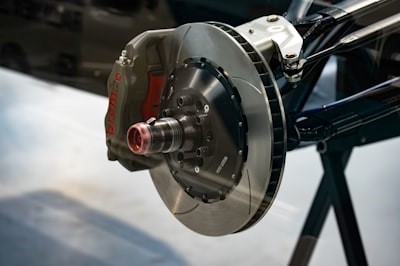
At each wheel, the hydraulic pressure engages the callipers. These callipers squeeze brake pads against a spinning disc called a rotor. The friction between the pads and the rotor slows your car down. It’s a simple but powerful system that brings thousands of pounds of metal to a safe stop.
Main Parts of a Modern Car Brake System
A modern car’s brake system has several key parts that work together. The most common type is the disc brake system. Understanding these components helps you know what’s happening when you hear about a brake issue. The leading players are the brake pads, rotors, callipers, and brake fluid.
Each part has a specific job. The brake pads create friction, the rotor is the surface they press against, and the callipers are the clamps that apply the pressure. Some vehicles, especially on the rear wheels, might use brake shoes and drums instead, but the principle of friction is the same. The brake fluid is the lifeblood of the whole operation.
Here’s a simple breakdown of what each part does:
| Component | Function |
|---|---|
| Brake Pads | Press against the rotor to create friction and slow the wheel. |
| Rotor | A metal disc that spins with the wheel; the pads clamp onto it. |
| Calipers | The clamps that hold the brake pads and squeeze them onto the rotor. |
| Brake Fluid | Hydraulic liquid that transmits force from the brake pedal to the callipers. |
What Happens Each Time You Hit the Brake Pedal
Pressing the brake pedal triggers a chain reaction. Your foot’s force is amplified and sent through brake fluid in a closed hydraulic system, instantly transferring pressure from the master cylinder to each wheel.
This pressure activates the callipers, which squeeze the brake pads against the rotors. The resulting friction slows the vehicle by converting its energy into heat that dissipates from the rotors.
Braking continues until you ease off the pedal or press harder for a complete stop. Every component must work flawlessly; problems with brake fluid, pads, or rotors can compromise your ability to stop safely.
Top Warning Signs You Need Your Brakes Checked
Your car will usually give you warning signs when it’s time for a brake check. These signals can be sounds, feelings, or even smells. Hearing a grinding sound or a high-pitched squeal is a classic sign of brake issues. You should never ignore these noises. They are your car’s way of asking for help.
Changes in how the brake pedal feels are another major clue. If it feels spongy, soft, or goes too close to the floor, it could indicate a brake fluid leak or other problems. Being aware of these signs can help you catch problems early and schedule a brake pad replacement or repair before they become a greater danger.
Strange Noises When Braking: What Squeaks or Grinding Sounds Mean
Are you hearing strange noises when you brake? Don’t ignore them, these sounds are warning signs.
A high-pitched squeal usually means your brake pads are wearing thin. Most pads have a built-in metal tab to make this noise as an alert.
A harsh grinding sound is more serious. It often means the pads are gone, and the metal calliper is scraping against the rotor, reducing stopping power and causing expensive damage.
Here’s what these sounds mean:
- High-Pitched Squeal: Brake pads are low—replace them soon.
- Loud Grinding: Pads are worn out—stop driving and get immediate service.
- Squeaking: Could be moisture or debris; if it continues, have it checked.
Changes in Pedal Feel Soft, Spongy, or Slow to Respond
Soft, spongy, or slow brake pedal response signals possible issues in your vehicle’s braking system. A soft pedal often means air in the brake lines, reducing braking effectiveness. A slow response may indicate worn pads that need prompt replacement. These symptoms relate directly to safety—an unresponsive pedal could mean a brake fluid leak or a failing master cylinder. Ignoring these signs risks costly repairs or brake failure. Regular inspections help maintain safe, reliable braking performance.
Visual Clues That Show It’s Time for a Brake Inspection
You don’t need to be a mechanic to spot brake problems. A quick visual check can reveal issues early. Look through your wheel spokes to inspect the brake pads and rotors. If the pads are thinner than a quarter inch, they need to be replaced. Also, check your brake fluid under the hood—low levels could mean a leak. These simple checks help you stay ahead of brake trouble.
How to Spot Worn Brake Pads Without Tools
Checking your brake pads is easier than you might think. For most cars with alloy wheels, you can see the pads right through the spokes. All you need is your eyes and maybe a flashlight. Find a spot to park with good light and easy access to your wheels.
Look for the shiny metal rotor inside the wheel. Around its edge, you’ll see the metal calliper that houses the brake pads. The pad is pressed between the calliper and the rotor. You want to check its thickness. A new brake pad is pretty thick, but they wear down over time.
Here’s a quick guide to what you’re looking for:
- Find the brake pad pressed against the rotor.
- Check its thickness. It should be at least a quarter of an inch (about the thickness of a new pencil).
- If it looks much thinner than that, it’s time to schedule a replacement.
The Role of Brake Warning Lights on Your Dashboard
Your car’s dashboard alerts you to important issues, and the brake warning light is one of the most critical. If you see an exclamation point in a circle or “BRAKE,” pay attention. It could mean the parking brake is engaged, but if the light stays on after release, there may be a problem.
This warning often signals low brake fluid or a hydraulic system issue. Modern cars may also show an ABS or pad wear indicator light—both require inspection.
Never ignore these warnings; they’re vital for your safety. Check your owner’s manual for details, but if any brake-related light is on, have your car inspected promptly.
Conclusion
Keeping your brakes in good shape is crucial for your safety on the road. Regular inspections can help you avoid surprises, like strange noises or a spongy pedal. Remember, your brakes do a lot more than stop your car; they protect you, your passengers, and others on the road. If you notice any warning signs, don’t ignore them. Instead, get your brakes checked by a professional. Staying proactive about brake maintenance can help you avoid costly repairs and keep your ride smooth and safe. If you’re unsure when to bring your car in, reach out to a trusted mechanic for advice. Your safety is worth it!
Frequently Asked Questions
How Often Should I Get My Brakes Inspected?
It’s a good idea to have a brake inspection done at least once a year or every 12,000 miles. However, this can vary. If you’re a more aggressive driver or frequently drive in heavy traffic, you may need to check your brake system more often to ensure everything is working correctly.
Is It Safe to Drive If My Brakes Feel Off?
No, it is not safe. Suppose you experience any brake issues, like a spongy pedal or strange noises while braking, pull over to a safe place as soon as you can. Continuing to drive could lead to brake failure. It’s best to have your vehicle towed to a mechanic for inspection.
How Long Do Brake Pads Usually Last?
Brake pads can last anywhere from 30,000 to 80,000 miles. The lifespan depends heavily on your driving style and conditions. Frequent city driving with lots of starting and stopping creates more friction and wears them out faster than highway driving. Regular checks will tell you when it’s time for a change.
